

How Retailers Use Storage Units for Seasonal Business Stock

Seasonal trading is one of the biggest logistical challenges for retailers. Whether you’re running a brick-and-mortar shop, a market stall, or a fast-growing eCommerce brand, stocking and moving inventory can be problematic.
Peak periods like Christmas, Black Friday, summer sales, and back-to-school bring an influx of merchandise that many retailers don’t have space for. This is especially true for businesses operating in high-rent urban areas of Ireland, where every square foot matters.
To stay competitive, retailers are increasingly turning to self-storage as a flexible, secure, and cost-effective way to manage seasonal stock. Self-storage units are a practical extension of inventory systems, without high overheads of warehouses. They benefit:
- Boutiques
- Hardware stores
- Gift shops
- Pop-up shops
- eCommerce retailers
Why Retailers Need Seasonal Storage
Most retail businesses face similar challenges when dealing with seasonal stock, including:
- Limited back-room space for incoming seasonal items
- Overcrowded shelves, leading to a poor customer experience
- Rapid shifts in demand that require fast stock rotation
- Bulk stock purchases that exceed in-store capacity
- High urban rental prices make additional commercial space impractical
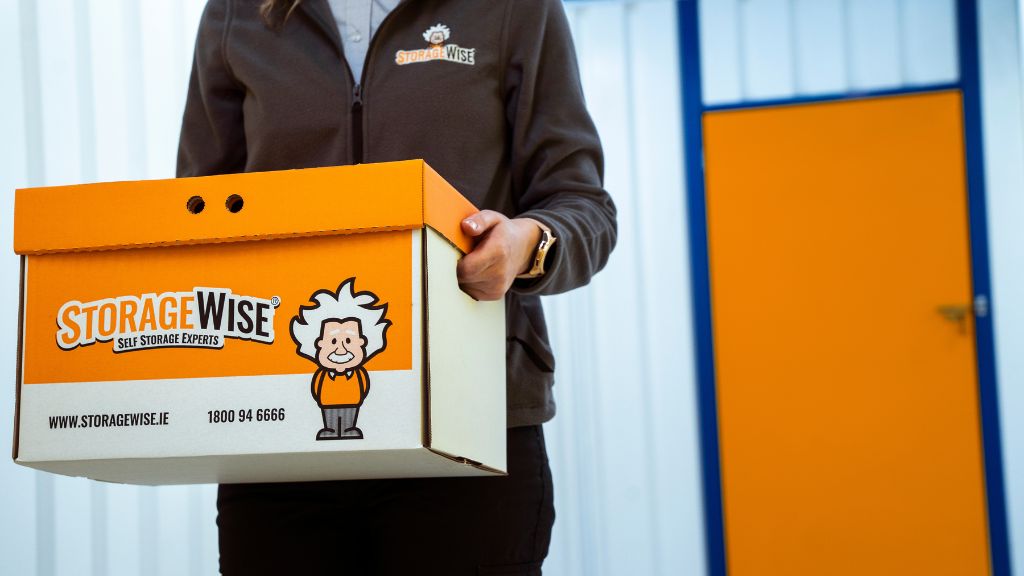
How Retailers Use Storage Units for Seasonal Stock
Many self-storage units offer flexible lease agreements, which means you only need to pay for the periods when you need extra storage space. Here’s a look at how retailers are using seasonal storage.
Expanding Storage During Peak Seasons
During high-demand periods, retailers often need temporary space. A storage unit acts as an overflow warehouse, giving retailers the ability to bulk-order at lower prices and store stock until the selling window opens. Peak storage seasons include:
- Christmas stock
- Summer outdoor goods
- Easter and Valentine’s merchandise
- Back-to-school products
- Winter clothing and accessories
Storing Off-Season Inventory
Storage units allow retailers to rotate stock throughout the year. This keeps the shop floor and stockroom uncluttered, improving operational flow. Examples include:
- Garden centres store patio furniture during winter
- Clothing stores keep summer ranges off-site during colder months
- Gift shops rotate holiday décor after festive periods
- Sports retailers store seasonal equipment such as skis
Supporting eCommerce & Online Sellers
eCommerce brands often operate without physical storefronts, making storage units invaluable. Some storage facilities even accept deliveries, allowing online sellers to treat the unit as a mini-fulfilment hub. Stored items include:
- Bulk inventory storage
- Packaging materials and dispatch supplies
- Returns and resale stock
- Seasonal product launches
- Pop-up shop stock holding
Buffer Stock & Emergency Inventory
Many retailers keep ‘just-in-case. stock in storage. Having this buffer off-site ensures stores stay lean while still being ready for unexpected spikes. This can safeguard against:
- Sudden demand surges
- Supplier delays
- Seasonal rushes
- Last-minute restocking needs
Organising Inventory More Efficiently
Self-storage units allow retailers to set up an organised system, reducing the risk of lost, damaged, or forgotten inventory. The self-storage unit often includes:
- Shelving
- Clear plastic bins
- Barcode labelling
- Seasonal zones
- FIFO (First-In-First-Out) stock rotation
Best Practices for Retailers Using Storage Units
To get the most value from a storage unit, there are some great storage tips you can follow. This not only enhances your productivity, but maximises the value you get from your self-storage unit. Remember to:
- Use digital inventory software that tracks stock stored both on-site and in the unit
- Organise logically, keeping frequently accessed items near the entrance
- Label clearly, using barcodes for fast scanning
- Conduct monthly mini-audits to maintain accuracy
- Plan seasonal transitions early, rotating stock ahead of peak periods
- Use climate-controlled units for stock sensitive to moisture, heat, or cold
- Ensure easy access for staff who handle deliveries and restocking
Security & Accessibility for Retailers
Retailers need assurance that their stock is safe while also being easily accessible during peak periods. This allows retailers to collect or replenish stock early in the morning, late at night, or during busy trading periods – with peace of mind knowing the stock is well-secured. Look for:
- 24/7 CCTV monitoring
- Pin-coded or controlled access
- Individually alarmed units
- High-grade locks
- Flexible access hours

Why StorageWise Is the Ideal Partner for Retailers
StorageWise supports a cross-section of retailers by offering a wide range of unit sizes that can accommodate fluctuating inventory throughout the year. Their flexible contracts allow businesses to scale storage space up or down as seasons change, ensuring you only pay for what you need.
The facility provides a cost-effective alternative to traditional warehouse rentals, with dry, clean, and highly secure units that are ideal for storing commercial stock. Retailers also benefit from delivery-friendly access, making it easy to have products shipped straight to the unit without needing to be on-site. For sensitive merchandise, climate-controlled options help maintain product quality, while 24/7 access (available on request) ensures businesses can operate on their own schedules.
Whether you require short-term storage during peak trading periods or a long-term solution for growing online sales, StorageWise helps streamline stock management in a more organised, efficient, and affordable way. Find business storage solutions today.